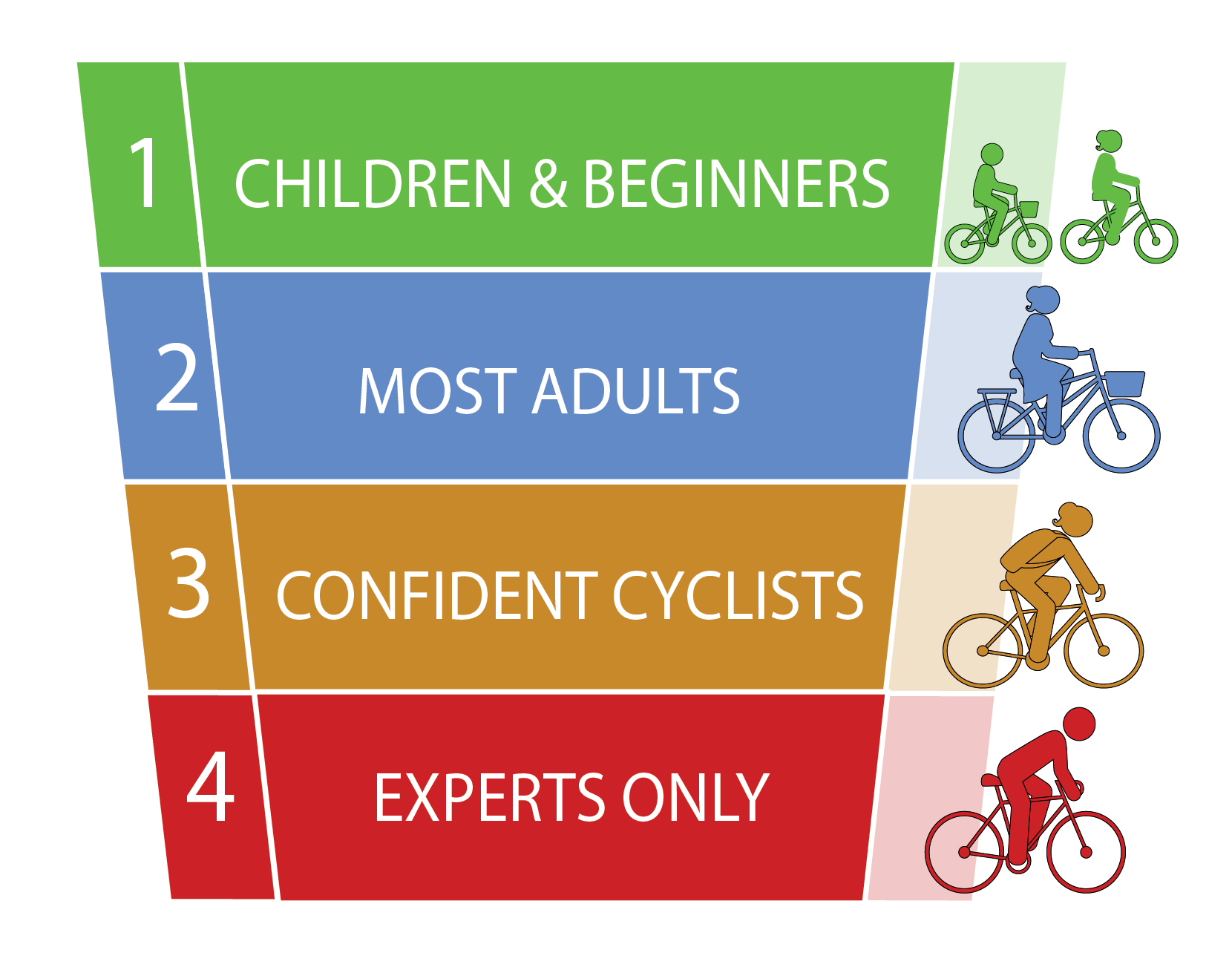
These roads tend to be neighborhood streets with low speeds and very little traffic.
These roads have low speeds and low traffic volumes. Most adults and supervised children will find these roads comfortable.
These roads have higher speeds (at least 35 mph) with low traffic or may have lower speeds with higher amounts of traffic.
This is the greatest stress level. Roads tend to be multilane, higher speeds, and higher volume.
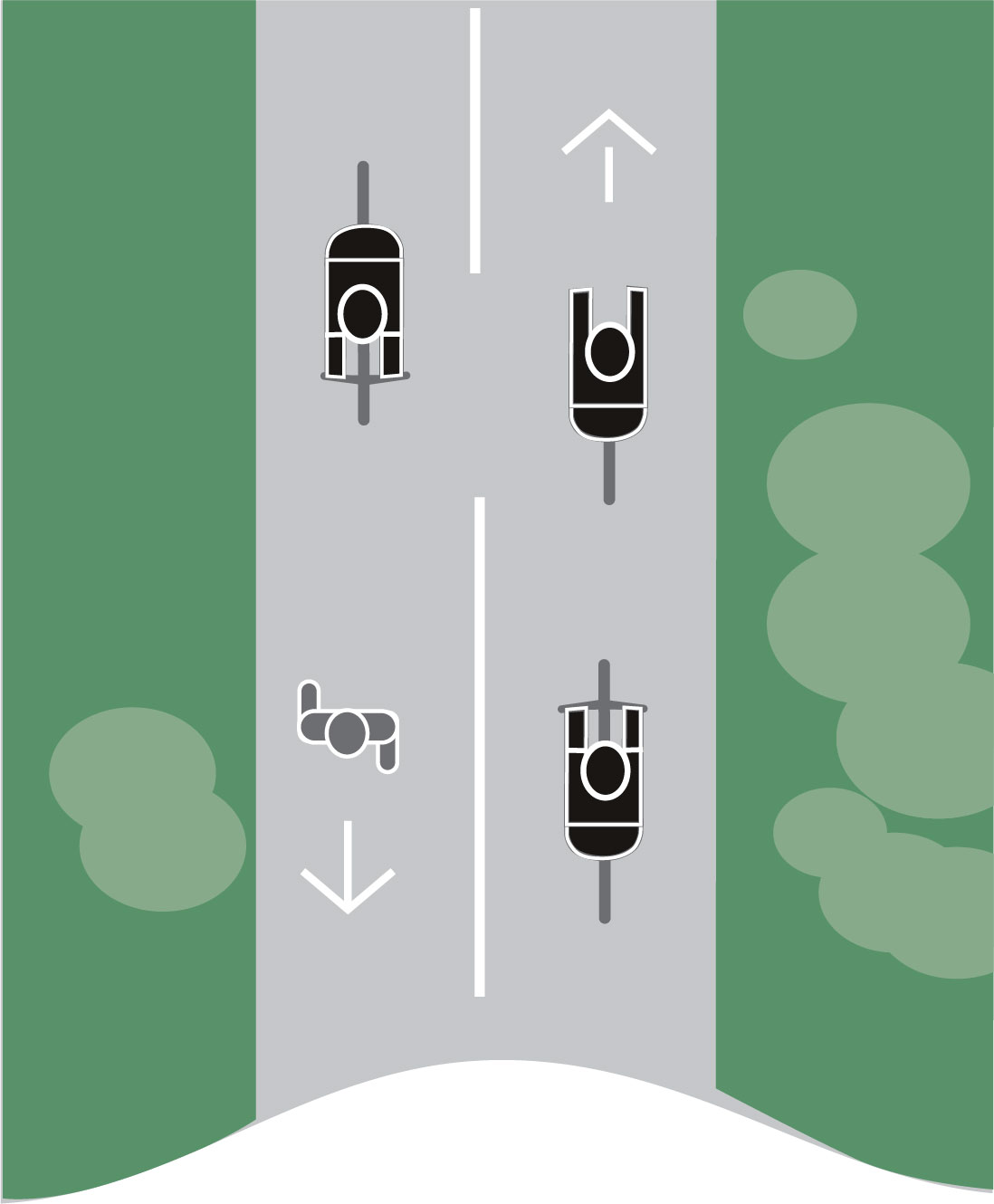
Off-road facilities intended exclusively for bicycles, pedestrians, and, in some designated areas, Amish buggies. The majority of trails and side paths accommodate some or all of these user groups, so cyclists should expect slower-moving persons or buggies.
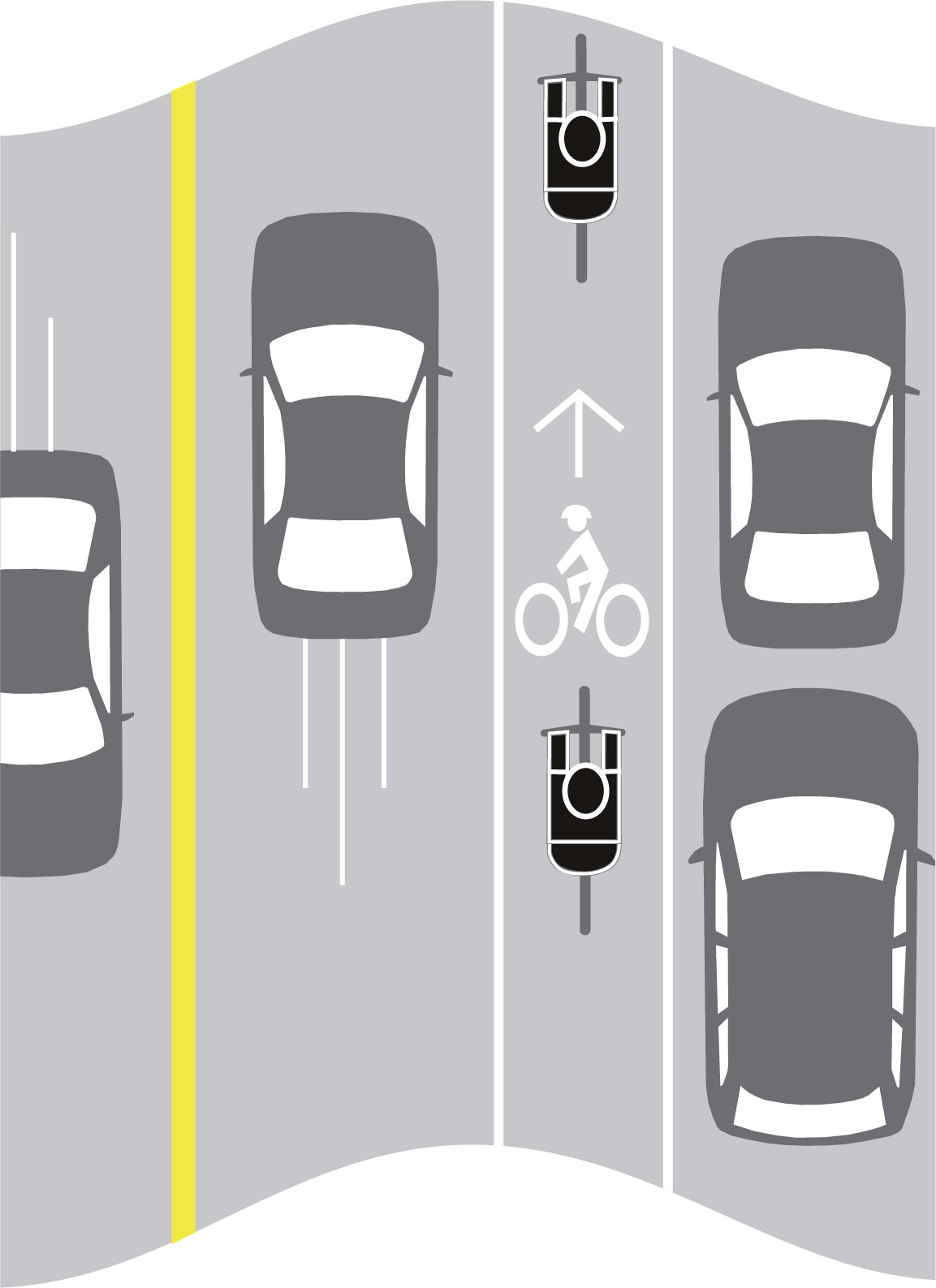
Bike lanes are distinguished from motor vehicle traffic by a single white line. Direction of travel is indicated by arrows marking the lane.
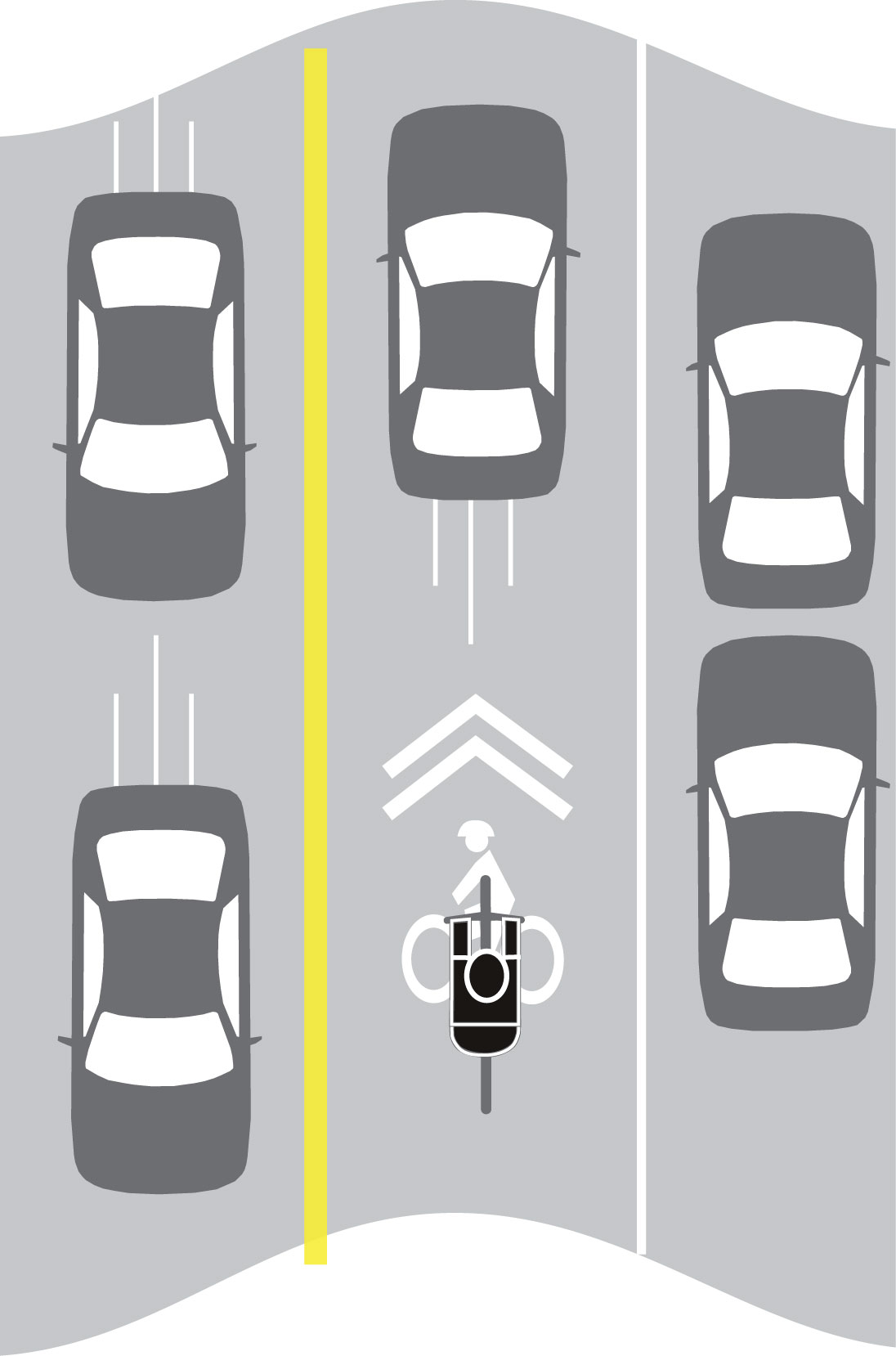
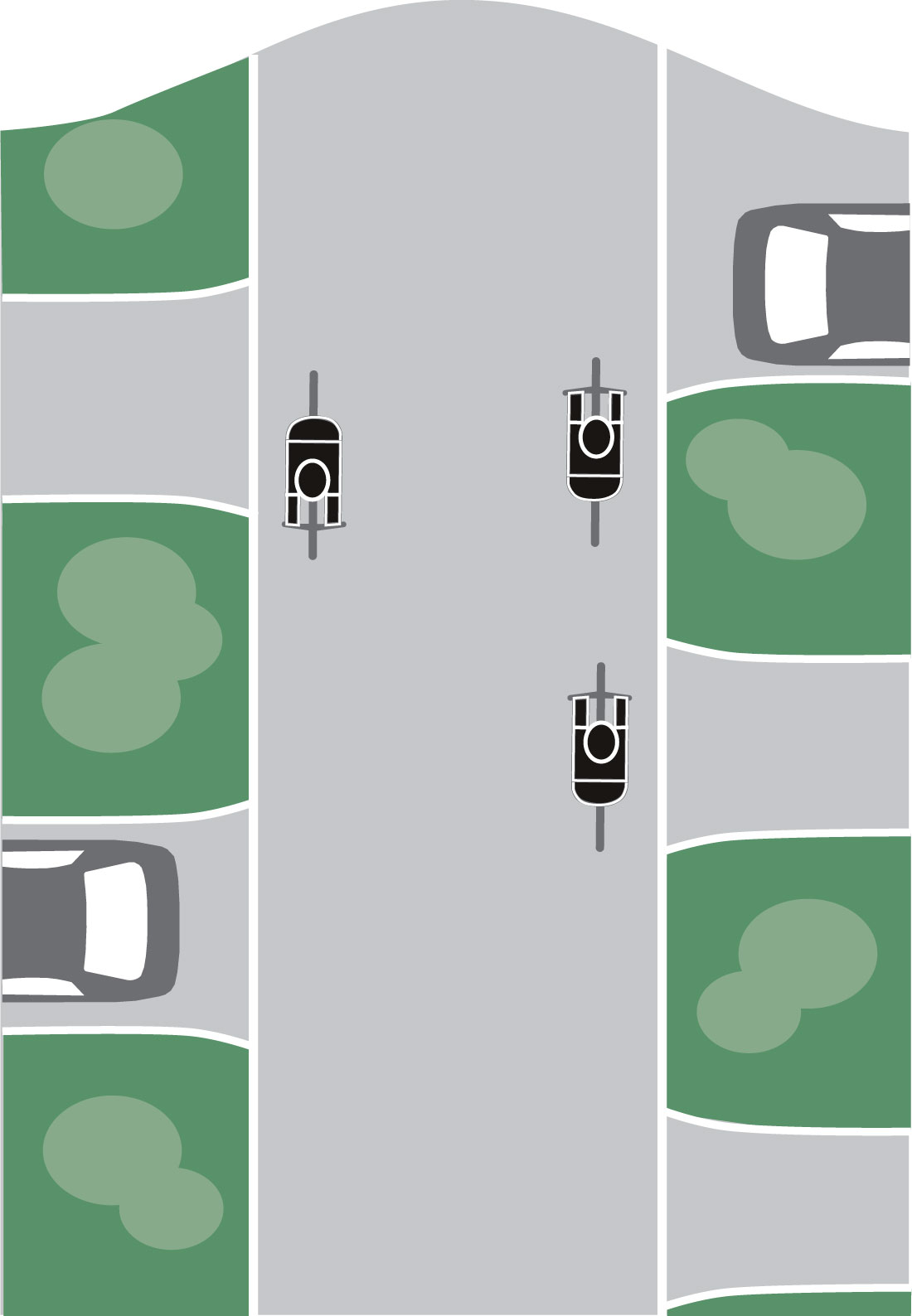
Roads without designated bike infrastructure, but are low speed and primarily residential. These roads are recommended for children and beginners.
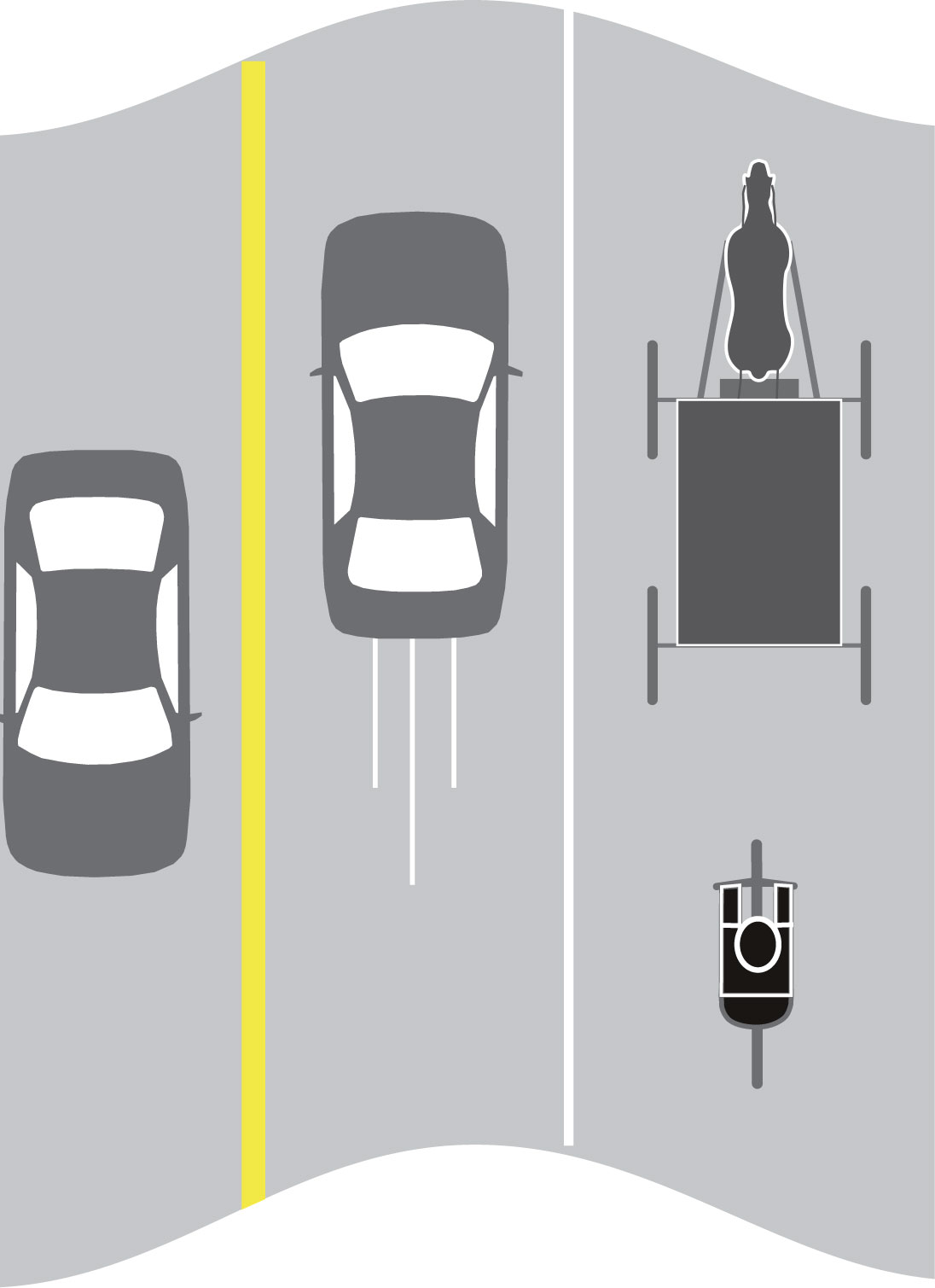
Amish buggy lanes are distinguished from motor vehicle traffic by a single white line. Bikes may use these lanes in the same direction of travel as vehicular traffic. Cyclists are expected to yield to buggies and pass on the left.
On the road, bikes must follow the same rules that apply to cars, including at intersections. If you want to turn and you aren’t riding in a designated turning lane, you should signal first.
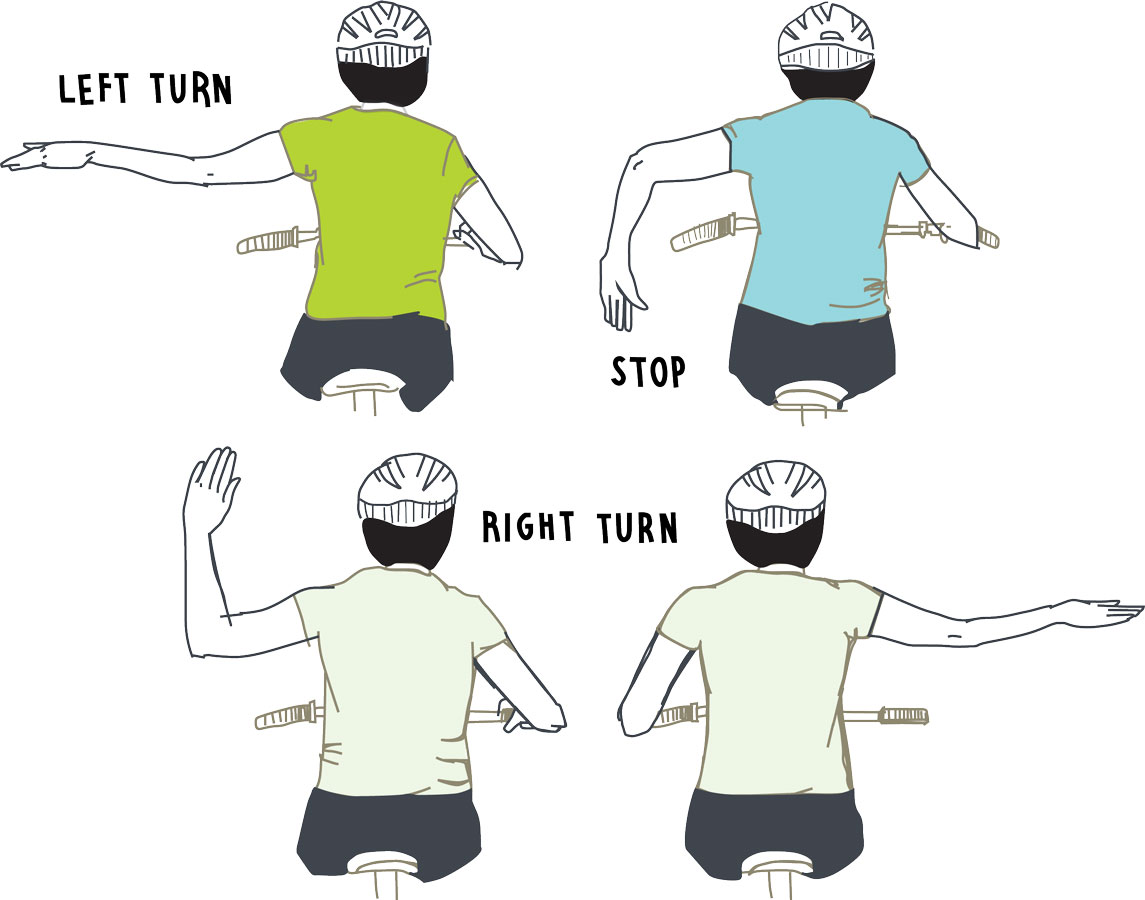
The sign for a left turn is an outstretched left arm; the sign for a right turn is an upward bent left arm or a straight right arm. If you are in a designated turning lane, Ohio law says you don’t need to signal, and in fact that you shouldn’t signal if you need both hands to make a safe turn.
For left turns, you should act no differently than a car, moving into the left-turn lane or the center of a single lane. If you aren’t comfortable merging to the left to make the turn, or if traffic is too heavy, you can do a two-stage turn, sometimes known as a Copenhagen left. To turn, first cross the street in front of you by staying to the right and stopping in the front of the travel lane in the direction you want to go. Then, cross with the next light.
Front and Rear Bike Lights at Night are State Law
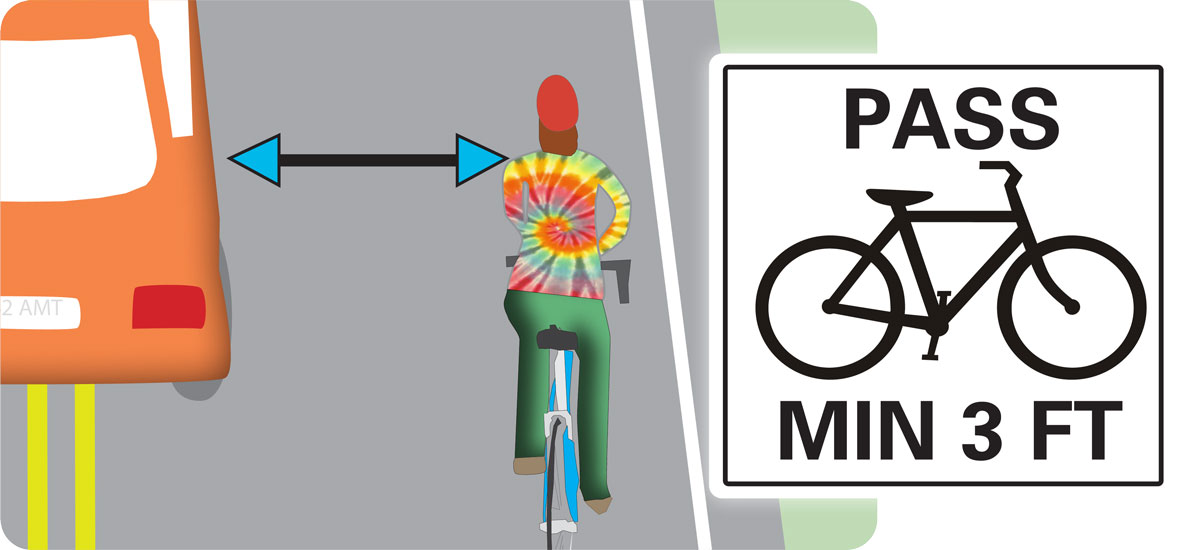
Motorists are required to pass cyclists with a minimum distance of three feet thanks to Ohio law.
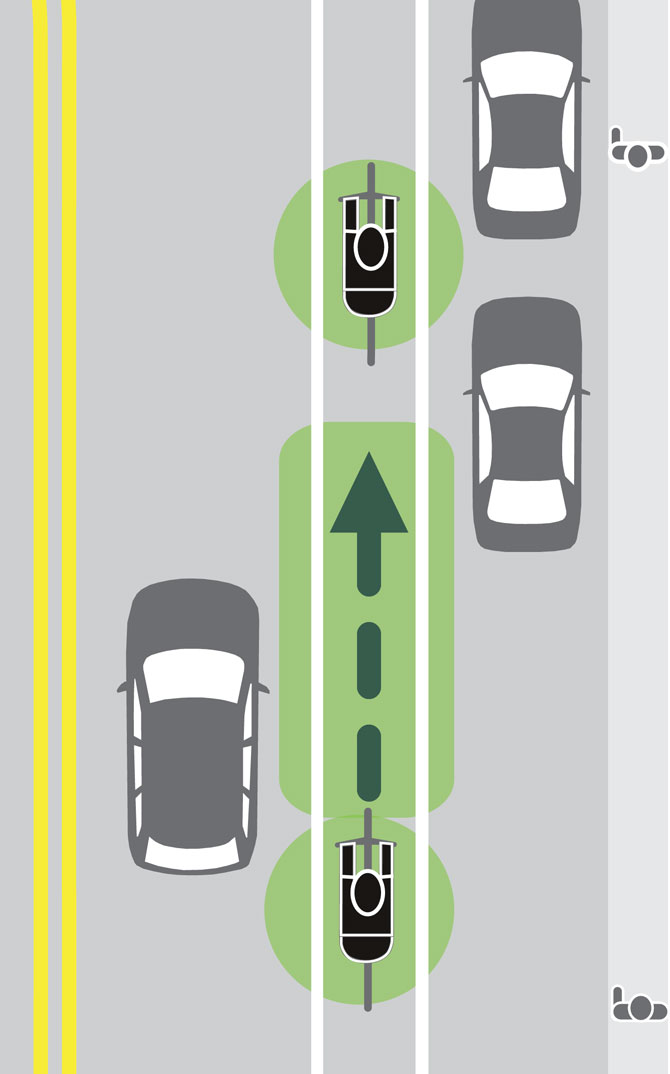
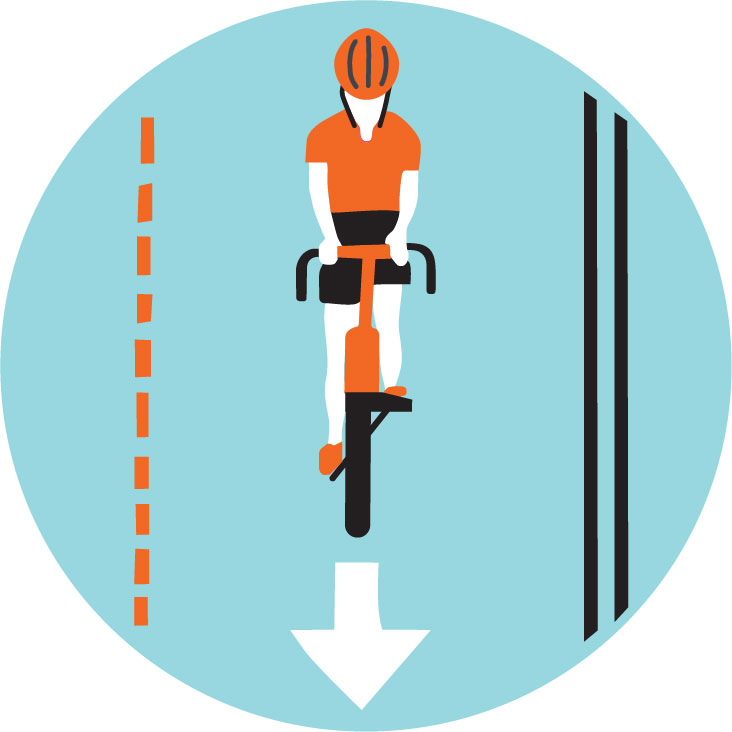
Bike lanes are ONE WAY. Travel in the direction of traffic.
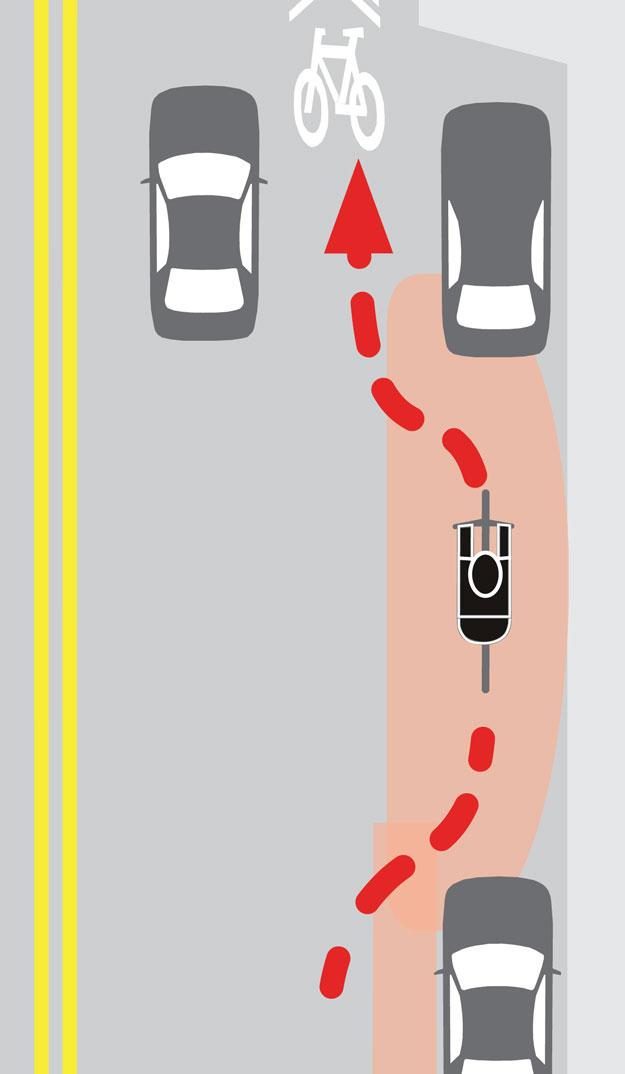
Don’t ZIG-ZAG in/out of traffic. Ride in a straight line.
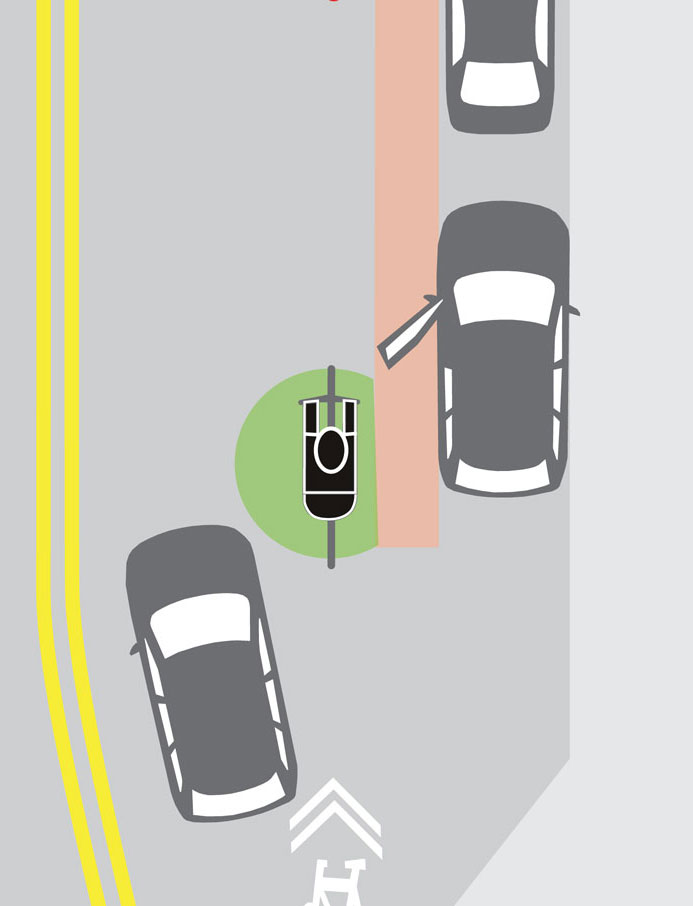
Avoid the "DOOR ZONE." Ride at least 3 feet from parked cars.
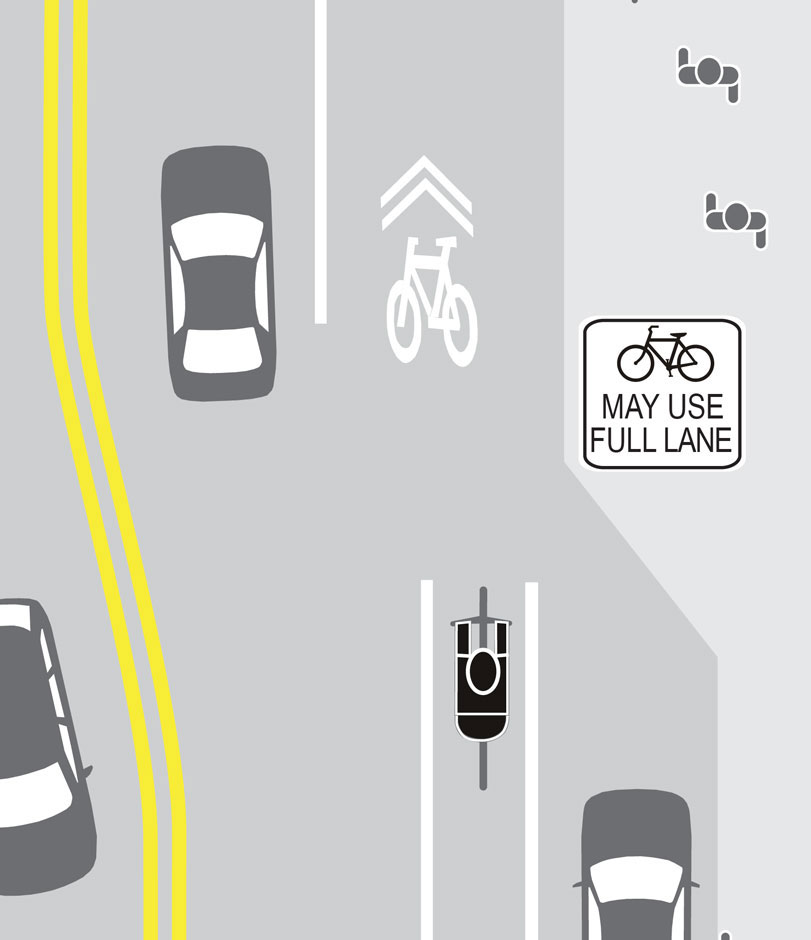
Be alert for transitions from bike lanes to general use lanes.
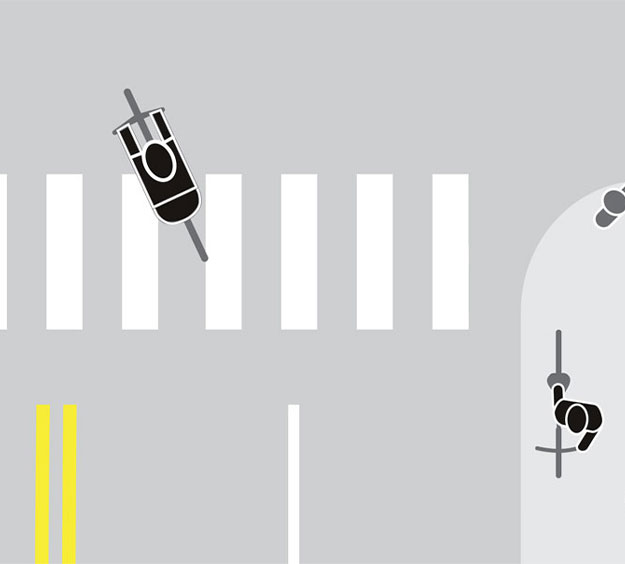
On sidewalks, watch for cars entering or exiting driveways and parking lots, and walk bike in crowded areas.
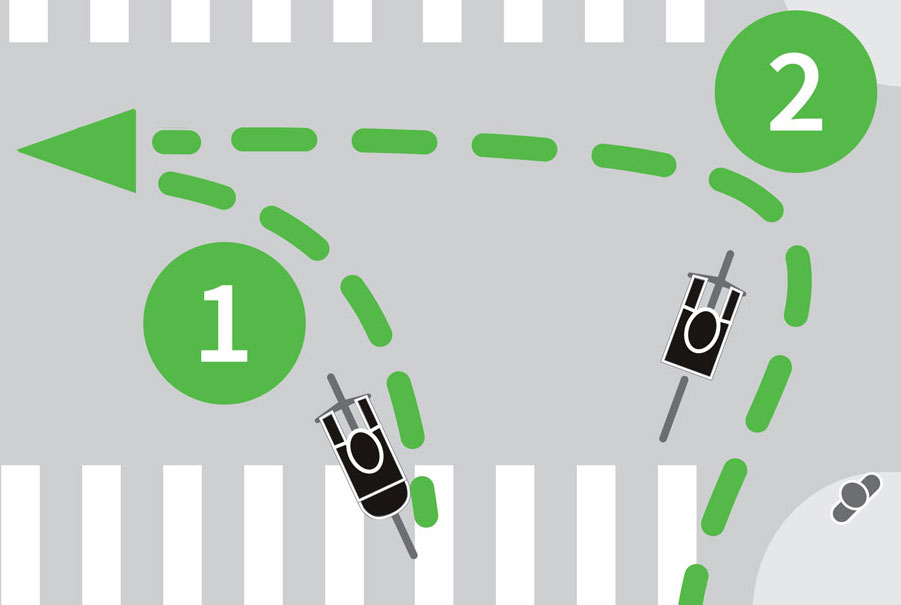
Turn left either: 1) as a car would; or 2) stay to the right, stop in front of the lane in the direction you want to go, and cross with the next light.
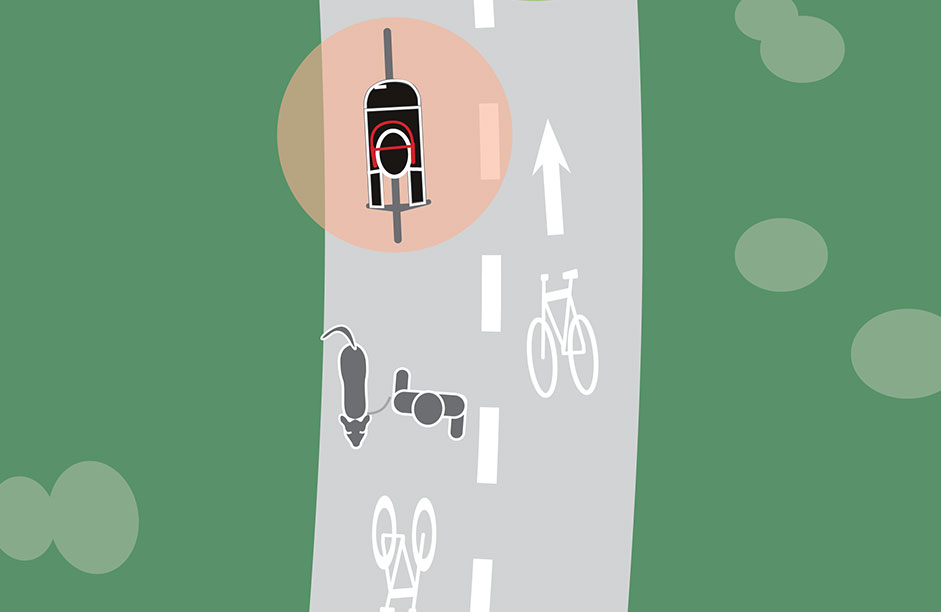
DON’T BIKE DISTRACTED. Avoid using headphones and always be aware of others, especially dogs and children.
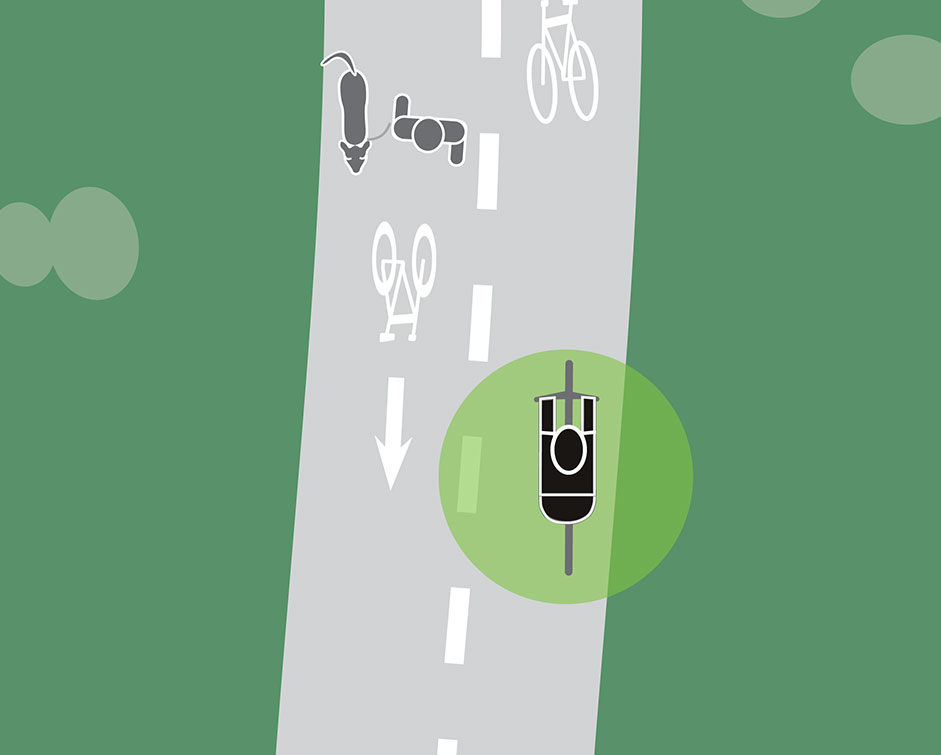
KEEP TO THE RIGHT. Yield to people walking when passing and slow down when the trail is busy.
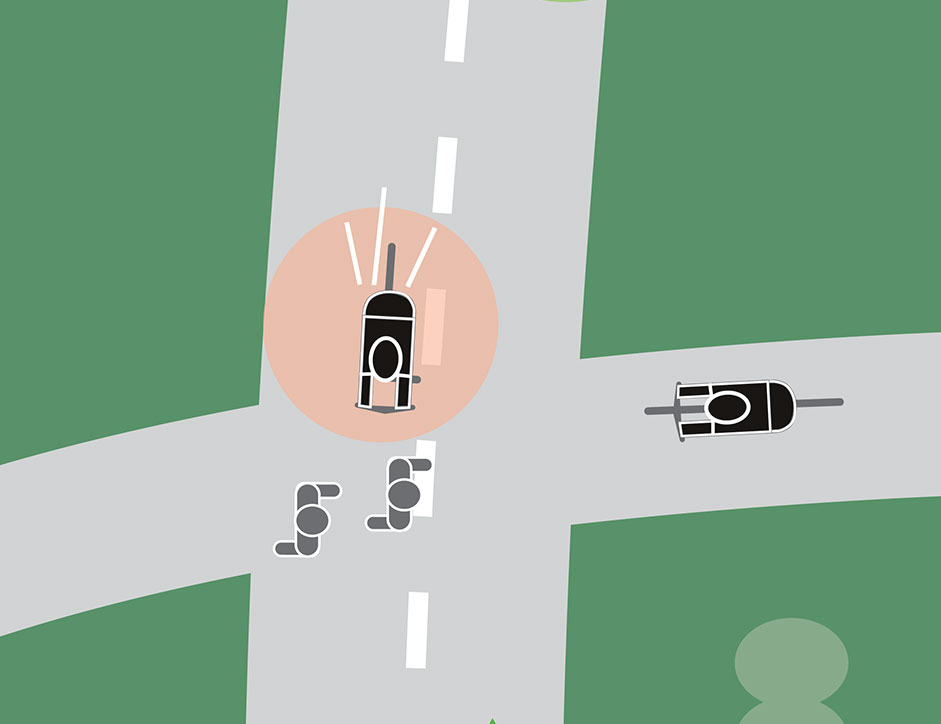
DON’T SPEED THROUGH CROSSINGS. Always slow down and remember that people walking have the right of way.
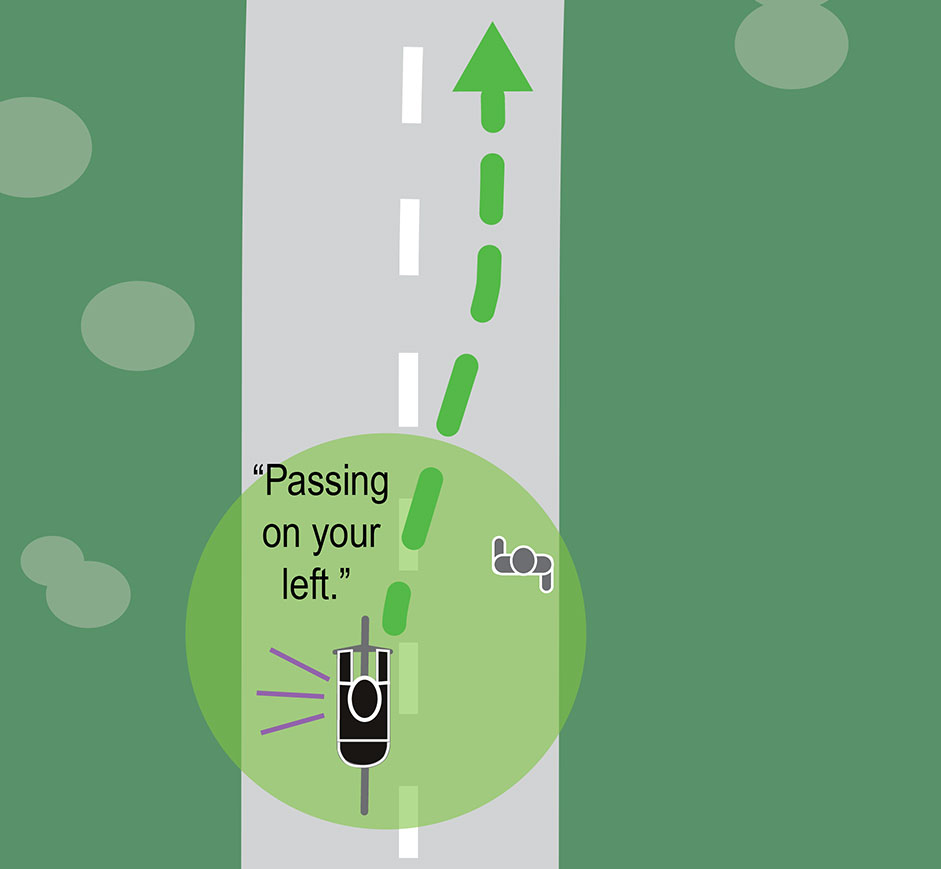
ALERT OTHERS WHEN PASSING. Sound a bell or call out when approaching people walking or biking more slowly. Pass safely on the left.
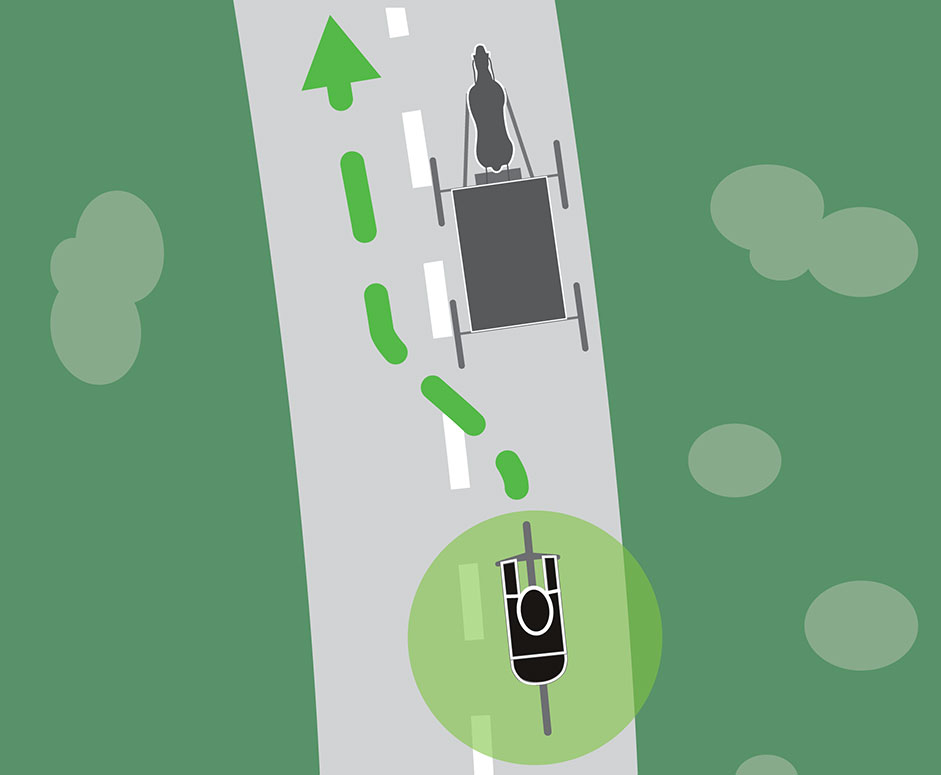
WATCH FOR BUGGIES. Yield to Amish buggies, which are permitted on some trails in the region. Pass cautiously on the left.
Whether on a road or a trail, stay safe—wear a helmet!
Let pedestrians rule the sidewalk, ride in the road.
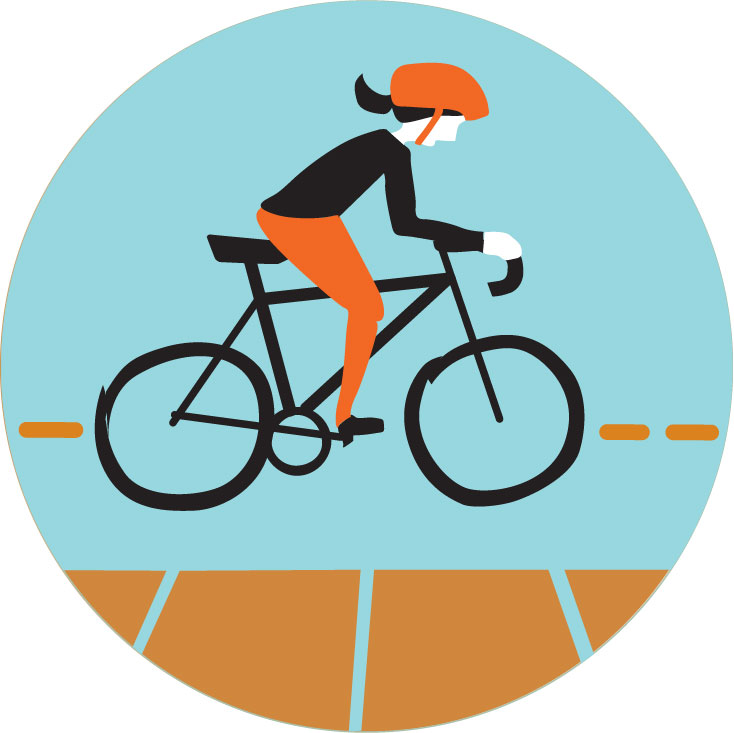
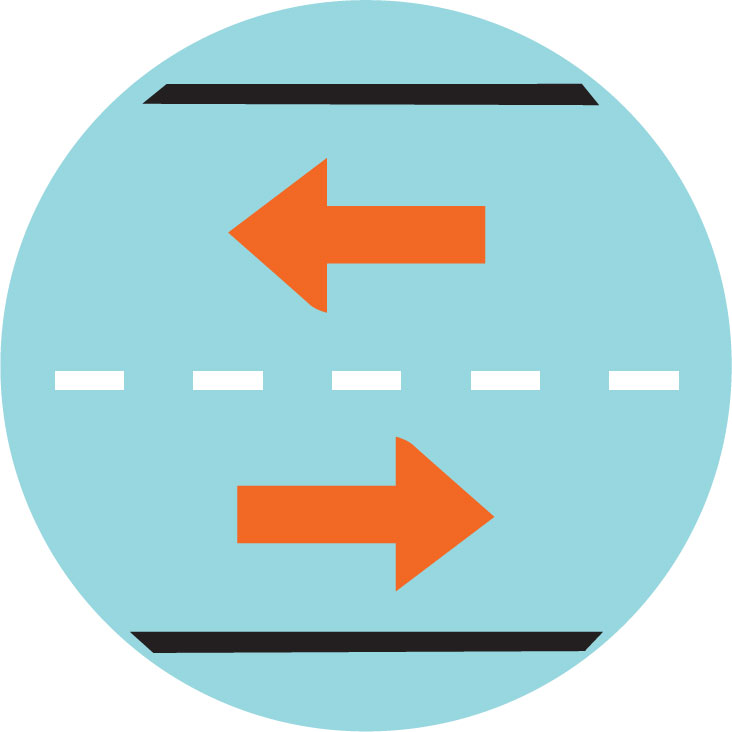
Ride with the flow of traffic (ORC 4511.25).
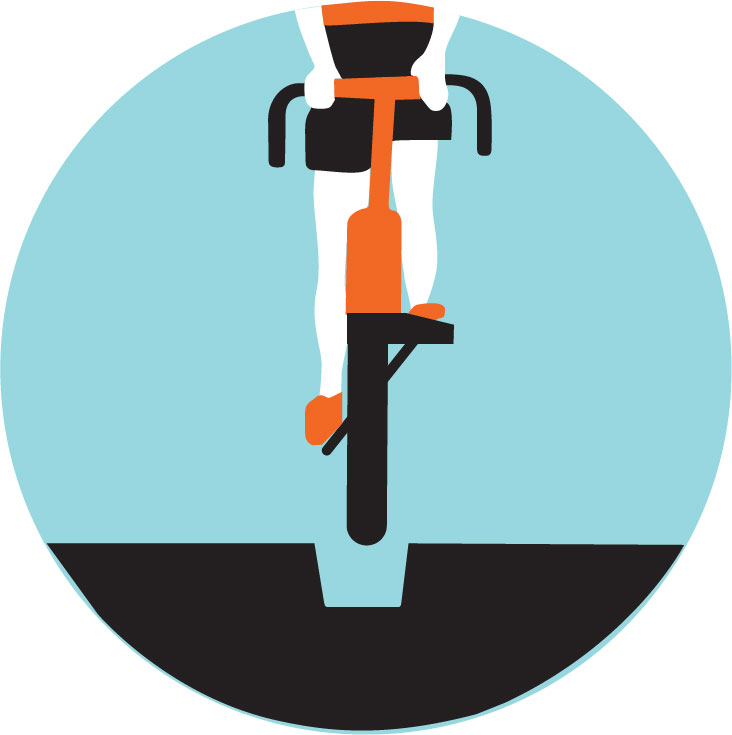
Steel Amish buggy wheels can sometimes create grooves in asphalt pavement. Stay alert when riding, and avoid getting your bike wheels stuck in a rut!
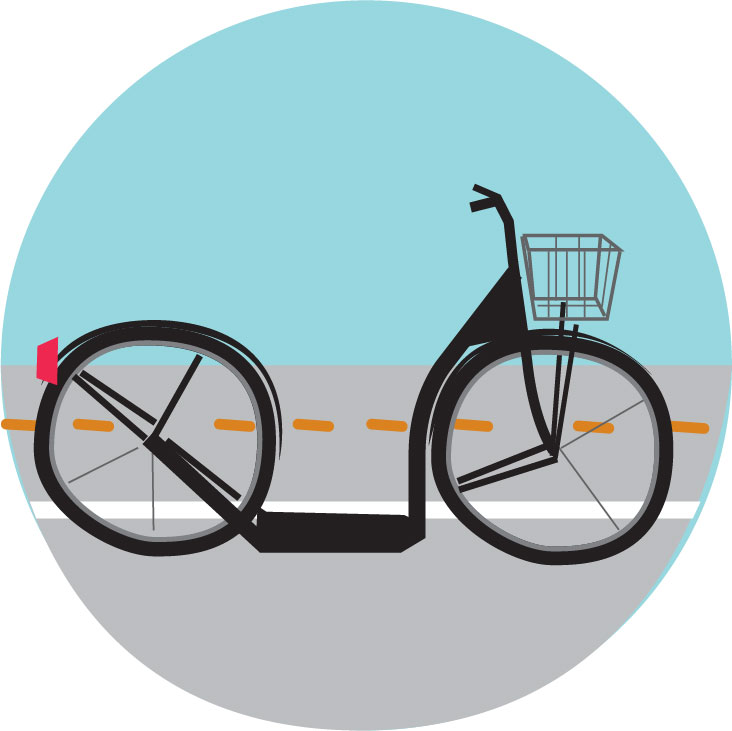
Amish kick scooters are used in parts of the region. If you are riding a bike or driving a vehicle, use caution when passing slower-moving scooters. And if you are using a kick scooter, remember that many of the bike safety tips are also applicable to you!
Whether on a road or a trail, be visible to motorists and cyclists—wear a vest!
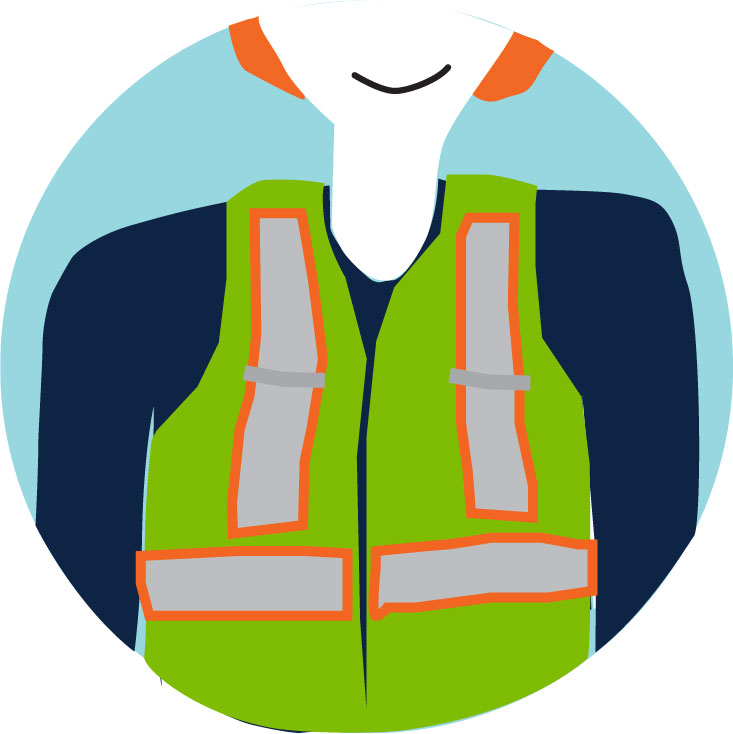

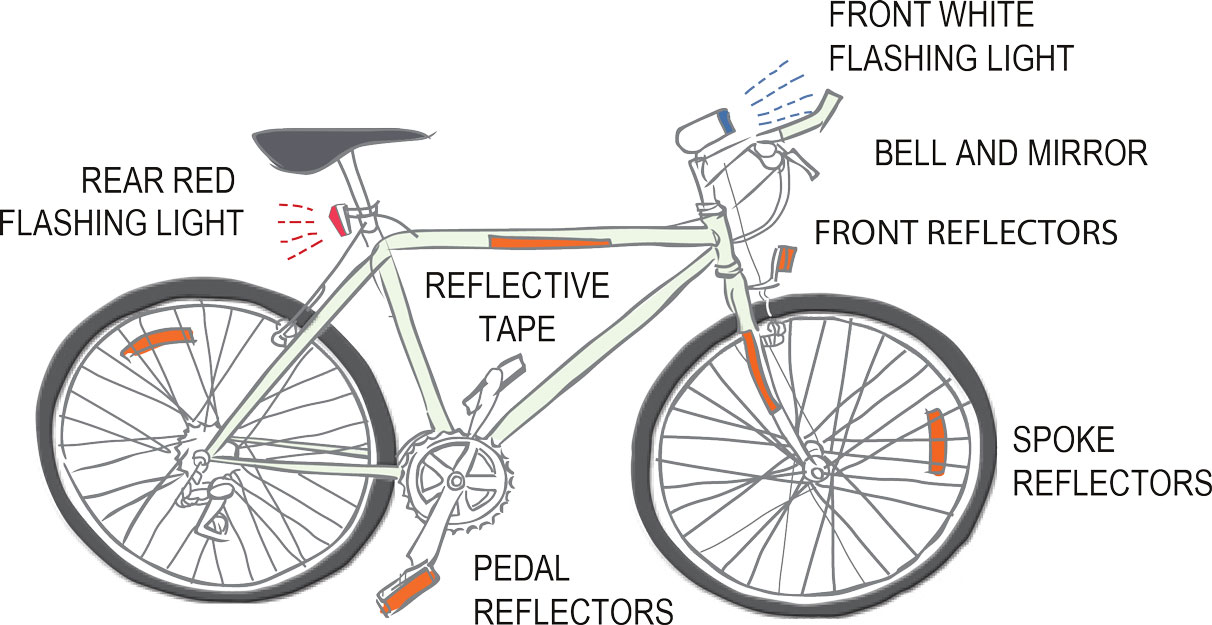
Cyclists must use bike lights at night: white for the front, red for the back (ORC 4511.56). Lights are also recommended during daylight hours.
Ride as far to the right as is safe, but take the lane when cars cannot pass you safely. Travel in a straight line, be visible, do not weave in and out of parked cars or ride between lanes of moving traffic (ORC 4511.55).
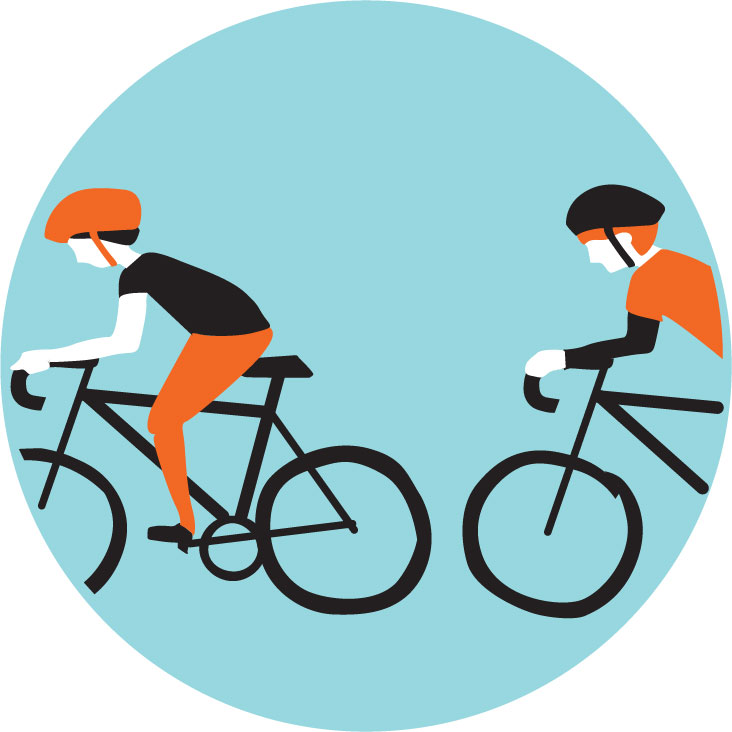
If you are new to cycling, ride with a friend. If your friend is new, offer to take them on a ride to “show them the ropes.”
Make eye contact with motorists and then signal your intentions to earn their respect. Vehicles must pass with a safe distance of at least three feet (ORC 4511.27.A3).
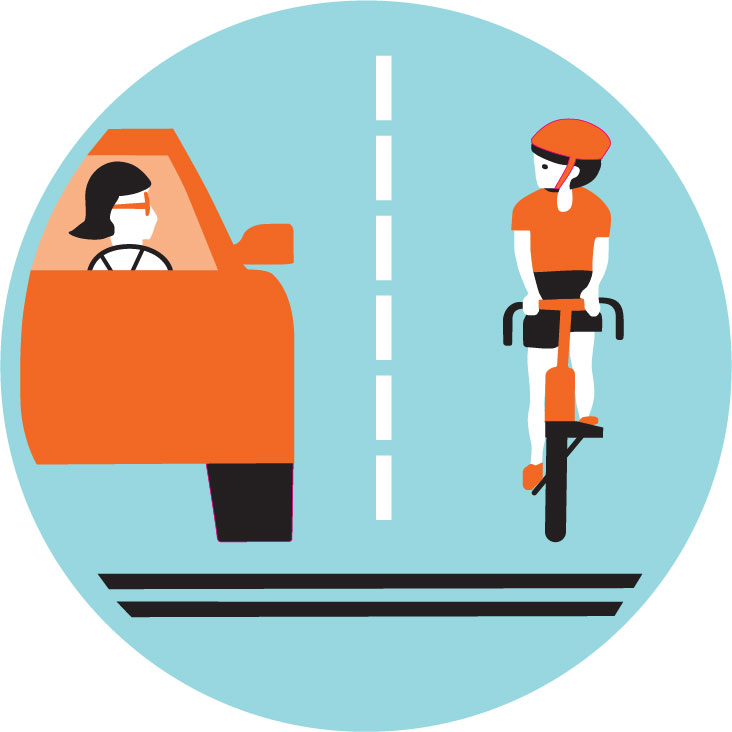
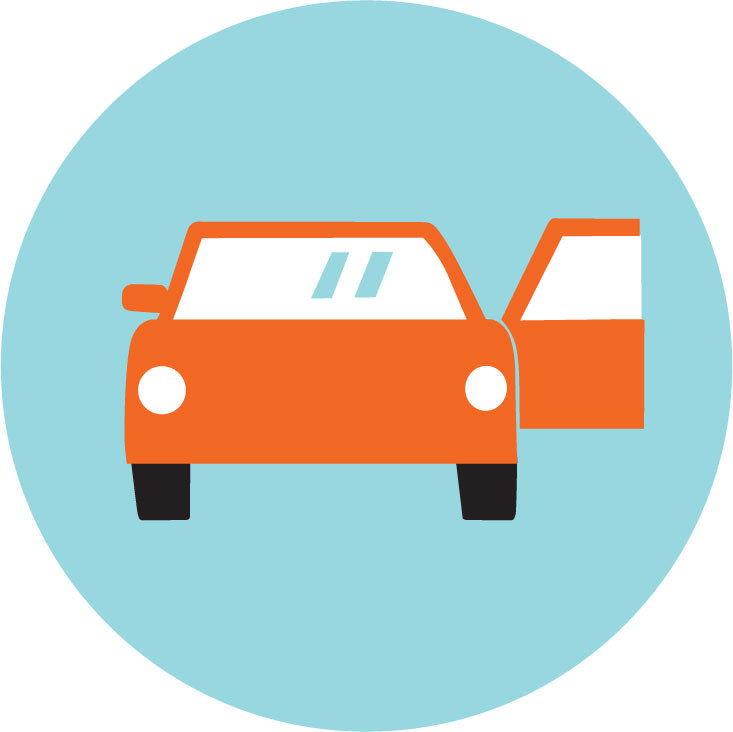
Stay out of the “door zone” of parked cars. This is especially important in business districts.
Bikes are legal vehicles and should be treated and act as such (ORC 4511.01).
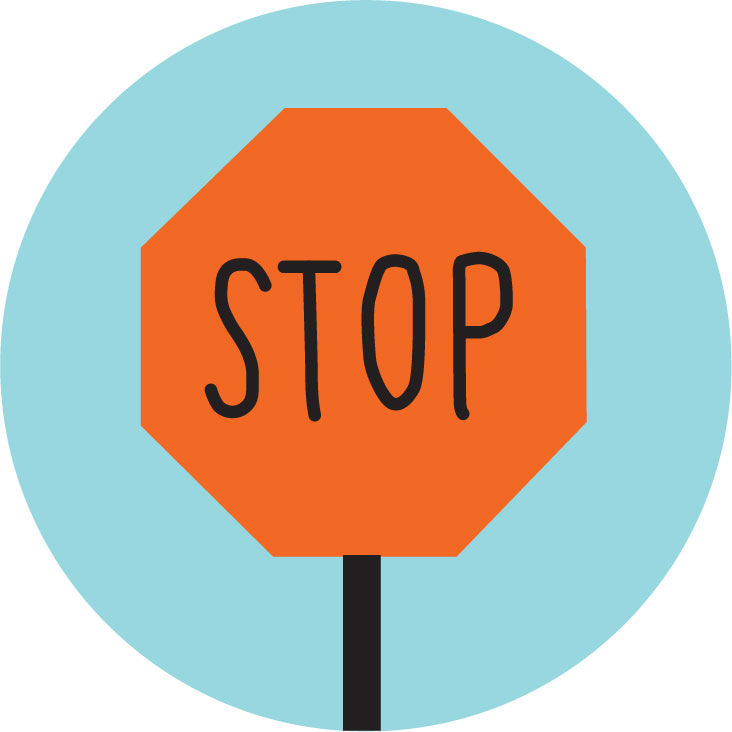
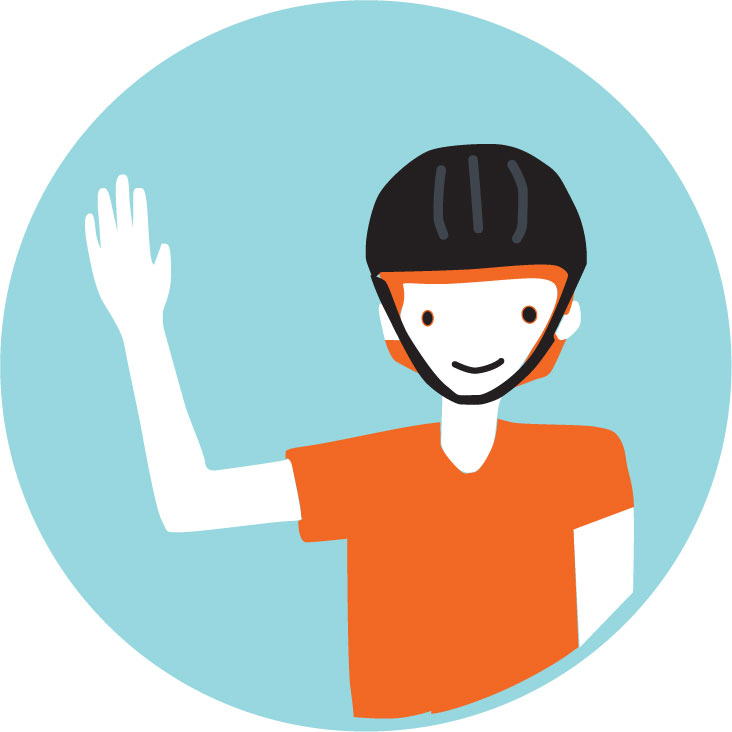
Use hand signals when turning and stopping if it is safe to do so (ORC 4511.39).
 Default
 Satellite
Use caution. Bicycle directions may not reflect real-world conditions.
Your starting location
Use caution. Bicycle directions may not reflect real-world conditions.
Your starting location